Looking for simple and meaningful ways to keep your kids learning during summer break?
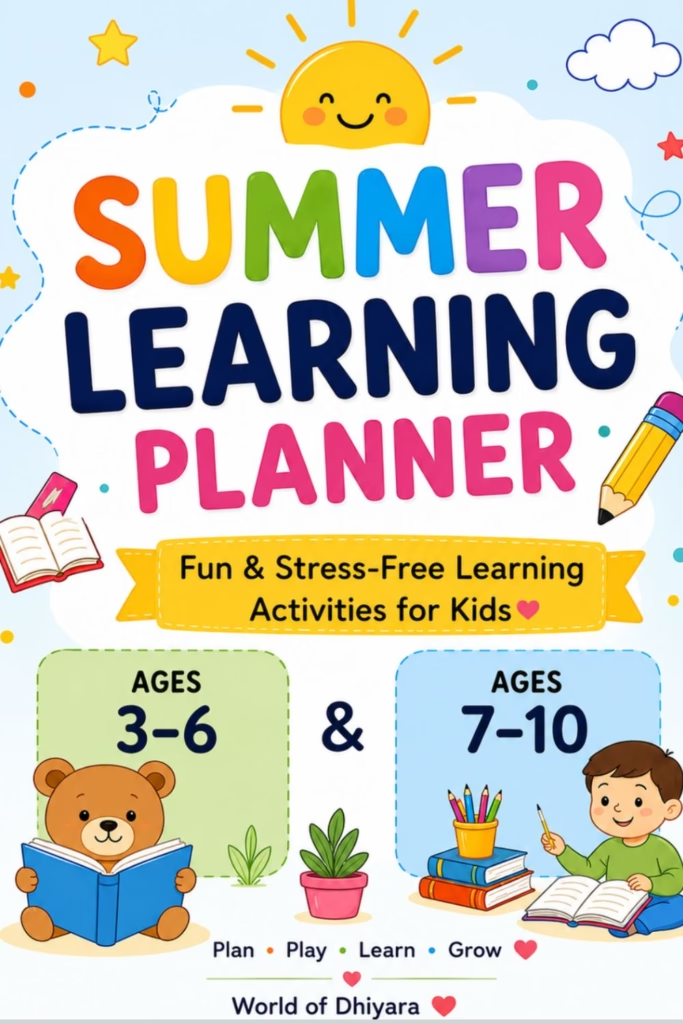
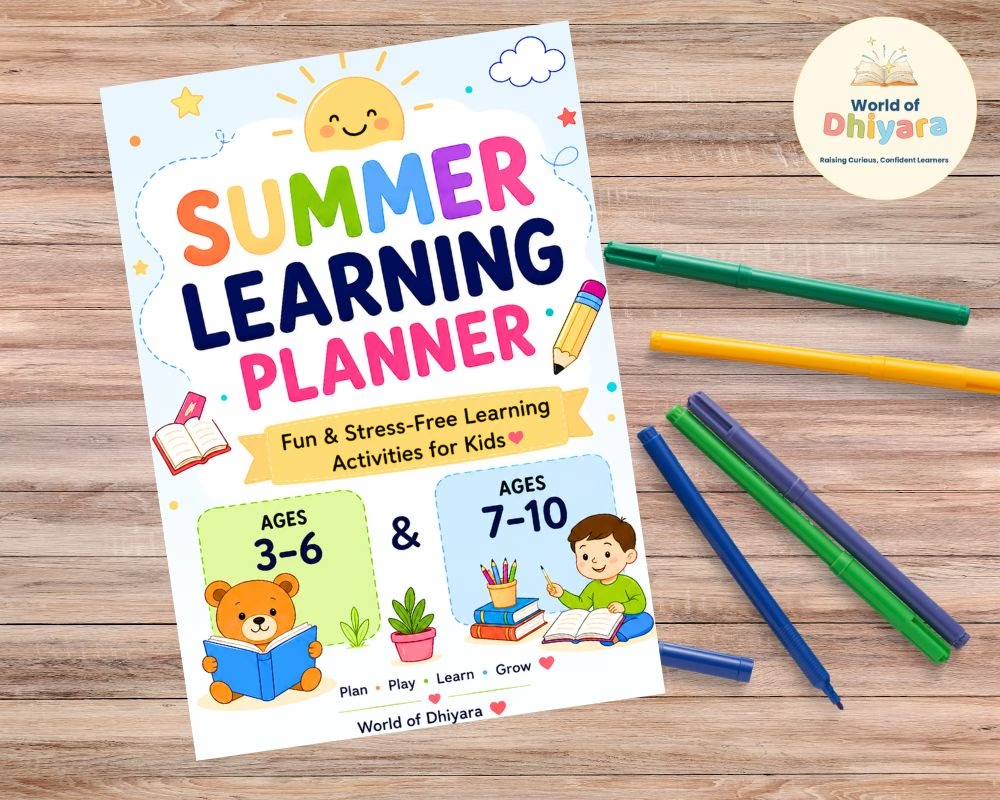
I created this FREE Summer Learning Planner to help families build reading habits, encourage creativity, reduce screen time, and make summer learning feel fun instead of stressful.
Designed for children ages 3–10, this printable planner includes a variety of pages that can be used at home, during summer break, homeschooling, or after-school learning.
What’s Included?
For Ages 3–6
- Weekly Learning Planner
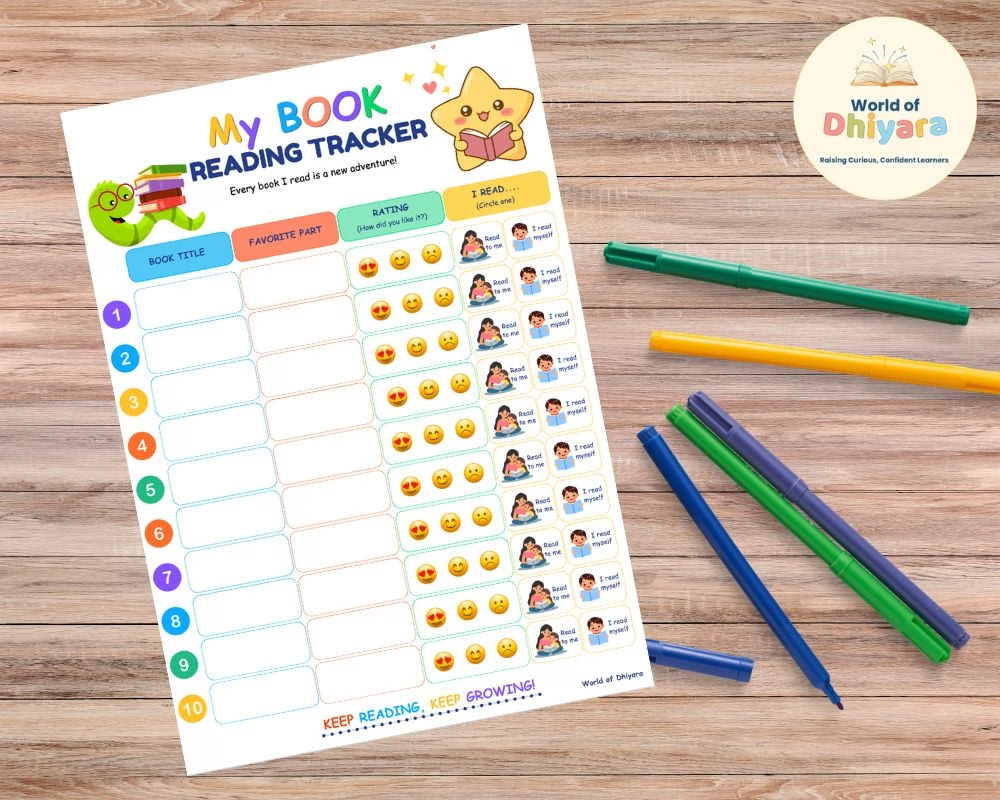
- Reading Tracker
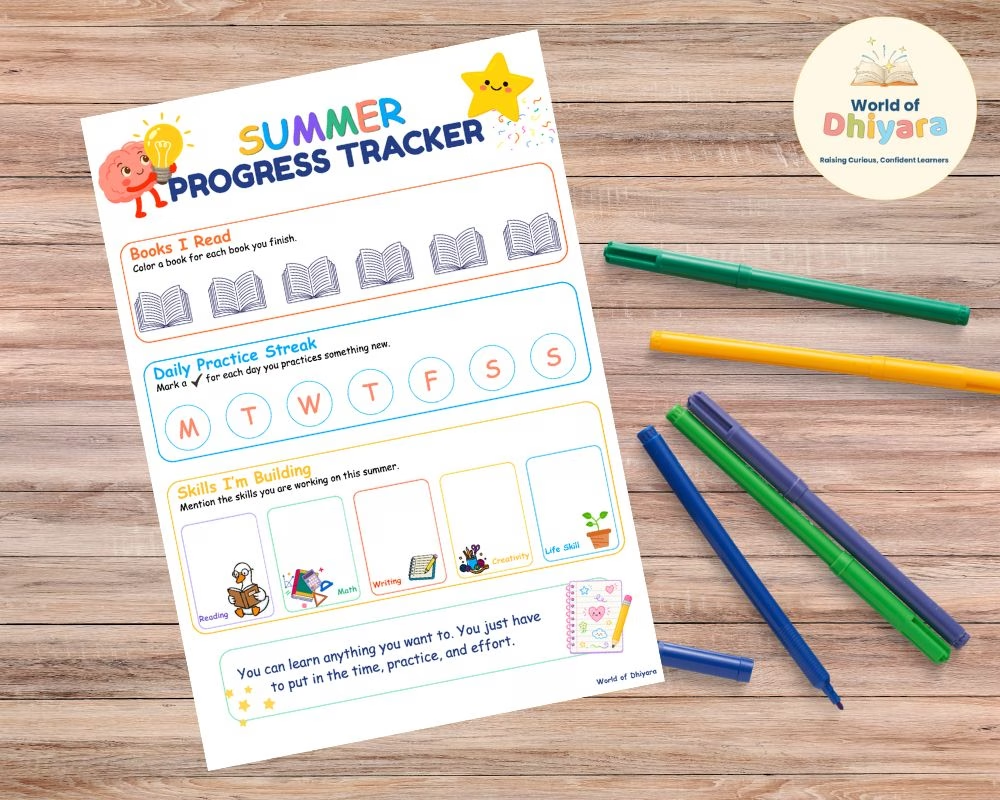
- Progress Tracker
- Summer Bucket List
For Ages 7–10
- Weekly Learning Planner
- Reading Tracker
- Goal Setting Pages
- Progress Tracker
- Summer Bucket List
These activities are designed to help children build positive habits while still enjoying their summer vacation.
Why I Created This Planner
As a parent, I know summer break can feel overwhelming.
Many families want to:
- encourage reading
- reduce screen time
- keep kids learning
- create meaningful family memories
But they don’t want summer to feel like school.
This planner was created to provide simple structure without pressure.
The goal isn’t perfection.
The goal is raising curious, confident learners while enjoying summer together.
How to Get Your Free Copy
Download my free 9-page Summer Learning Planner below, with activities for ages 3–6 and 7–10. Print the pages you need and start planning together—no email or account required.
Free learning resource Summer Learning Planner (Ages 3–10) PDF · 9.8 MB · Instant download Download free PDF No email or account required.Help Me Create More Summer Content
I’d also love to know:
What is your biggest challenge during summer break?
- Screen time?
- Reading habits?
- Keeping routines?
- Educational activities?
- Boredom?
And what summer videos would you like to see next on my YouTube channel?
Thank you for being part of the World of Dhiyara community!
Happy learning and happy summer! ☀️
Rakhi
World of Dhiyara
Raising Curious, Confident Learners
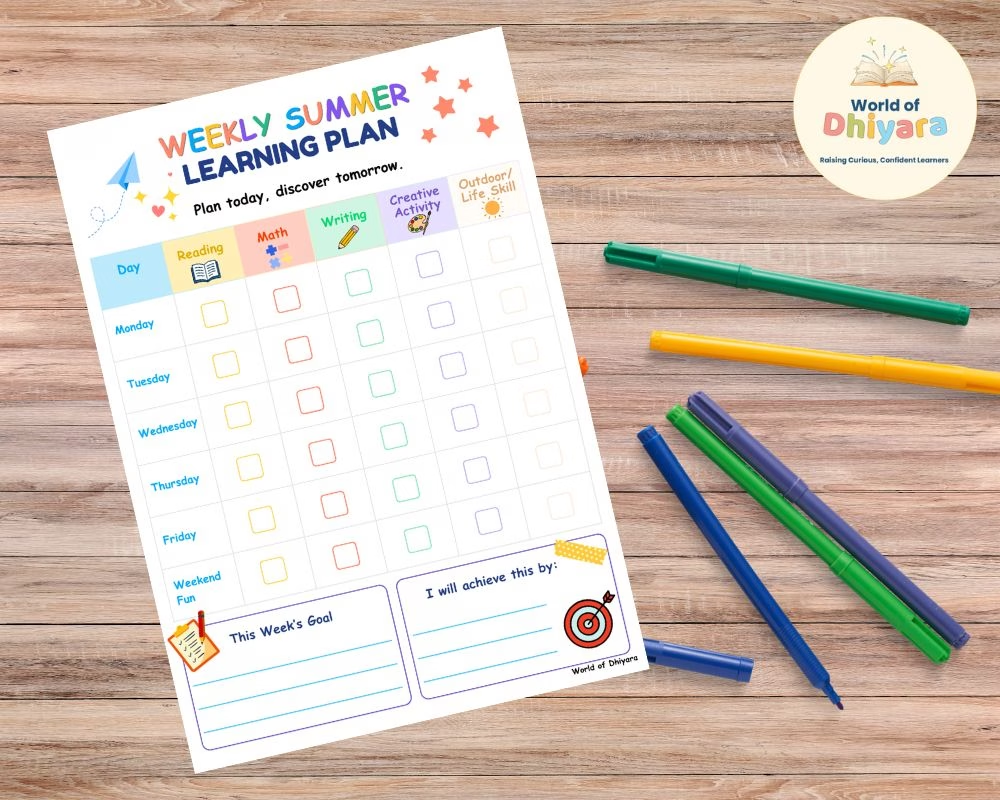
This free summer planner is designed to help families create a light learning rhythm without filling the holiday with schoolwork. Start with the activities your child already enjoys, then add one small goal that would be useful to revisit.
Use the planner with different ages
- Ages 3–5: focus on stories, conversation, movement, drawing and playful counting.
- Ages 6–7: add short reading, handwriting, simple maths games and independent choices.
- Ages 8–10: let children plan part of the week, track a project and reflect on progress.
- For siblings: share outings and creative projects, then adjust written work separately.
A five-minute weekly check-in
Look at the coming week together and choose only a few priorities. Include rest days, family plans and free space before adding learning activities.
At the end of the week, circle what worked and move unfinished ideas forward only if they still feel useful. The planner should reduce mental load, not become another list that makes the family feel behind.
Parent tip: Print a fresh page when plans change. Flexibility is part of good planning, especially during school holidays.